
blog
お知らせ
2026/10/22 20:53 ~ なし
ブルーベリー品種物語|第10話 スパルタン(Spartan)
👑 キング・オブ・ブルーベリー。その美味しさの裏にある、栽培の難しさ。
前回の「パトリオット」に続いて、今回も早生のノーザンハイブッシュをご紹介します。
その名は、
「スパルタン(Spartan)」。
スパルタンは、1977年にアメリカで発表された品種です。
その親は、
アーリーブルー(Earliblue)× US 11-93
という組み合わせ。
実は、前回紹介したパトリオットも、アーリーブルーを親に持つ品種なんです。
でも、もう片方の親は違います。
🫐 パトリオット:野生ローブッシュの血統を受け継ぎ、寒さに強い品種。
🫐 スパルタン:大粒の果実を子孫に伝えると評価されたUS 11-93の血統を受け継ぎ、大粒で優れた食味を持つ品種。
同じアーリーブルーを親に持ちながら、それぞれ異なる個性を備えているんですね。
そして、アーリーブルーの祖先をたどると、
ルーベル → スタンレー → アーリーブルー → スパルタン
と、これまで紹介してきたブルーベリーの歴史につながります。
ブルーベリーの育種は、ただ美味しい実を作るだけではありません。
寒さに耐える力、大きな実をつける力、そして育てやすさ。
先人たちは、それぞれの特徴を組み合わせながら、理想のブルーベリーを追い求めてきました。
ただし、大粒で美味しいことと、育てやすいことは別問題。
スパルタンは、まさにそのことを教えてくれる品種なんです。
さて、このスパルタン。
愛知県の観光農園「ブルーベリーファームおかざき」さんは、この品種を、
「キング・オブ・ブルーベリー」 👑
と呼んでいます。
大粒で、甘味と酸味のバランスが素晴らしく、豊かな風味を持つスパルタン。
おかざきさんの園主さんは、初めて旬のスパルタンを食べたときの感動が忘れられず、ブルーベリー栽培の道に進んだそうです。
一粒のブルーベリーが、人の人生を変えてしまう。
それほどまでに、人を魅了する品種なんですね。😊
ところが――
このスパルタン、実は非常に育てにくい品種でもあるんです。
おかざきさんの栽培経験では、植えてから3~4年は順調に育っていても、その後突然枯れてしまうことがあったそうです。
そこで、挿し木苗から接ぎ木苗へ切り替えたところ、生育が安定するようになったとのこと。
スパルタンは根の環境に敏感で、栽培条件によっては生育が難しくなる品種として知られています。
その弱点を補う方法のひとつが、接ぎ木栽培です。
接ぎ木とは、育てたい品種の枝を、別の品種の根を持つ台木につなぐ技術。
ブルーベリーでは、比較的根が丈夫で環境適応性の広いラビットアイ系を台木に使うことがあります。
つまり、スパルタンの美味しい果実を実らせる枝はそのままに、根の部分を別の品種に助けてもらうわけです。
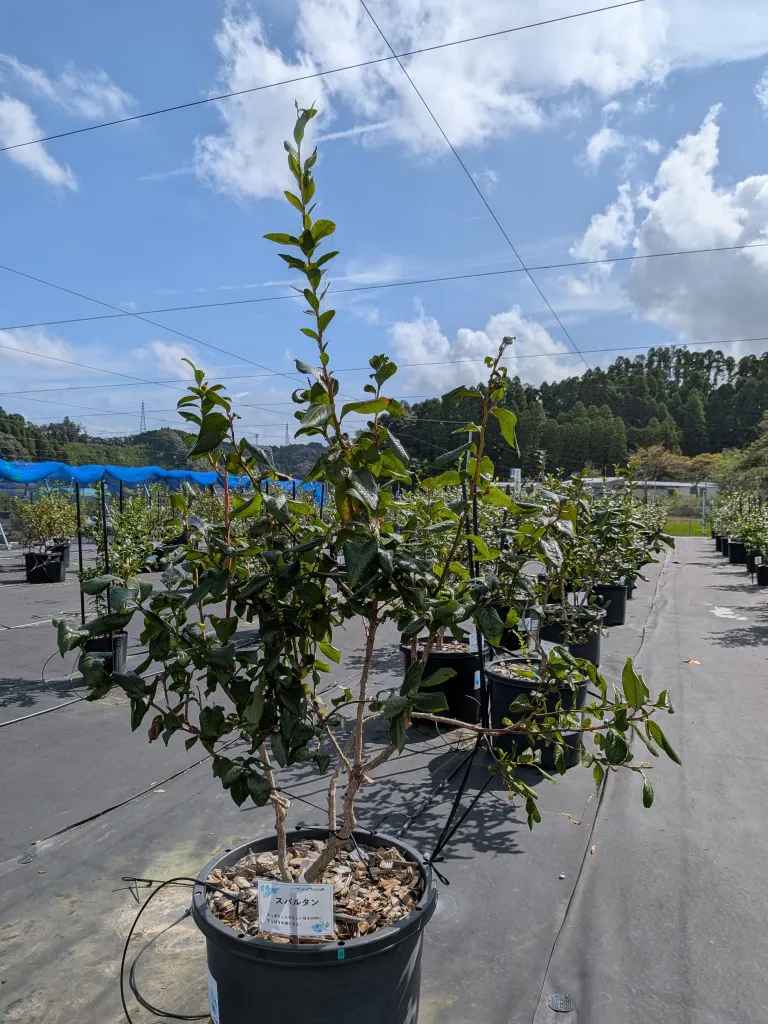
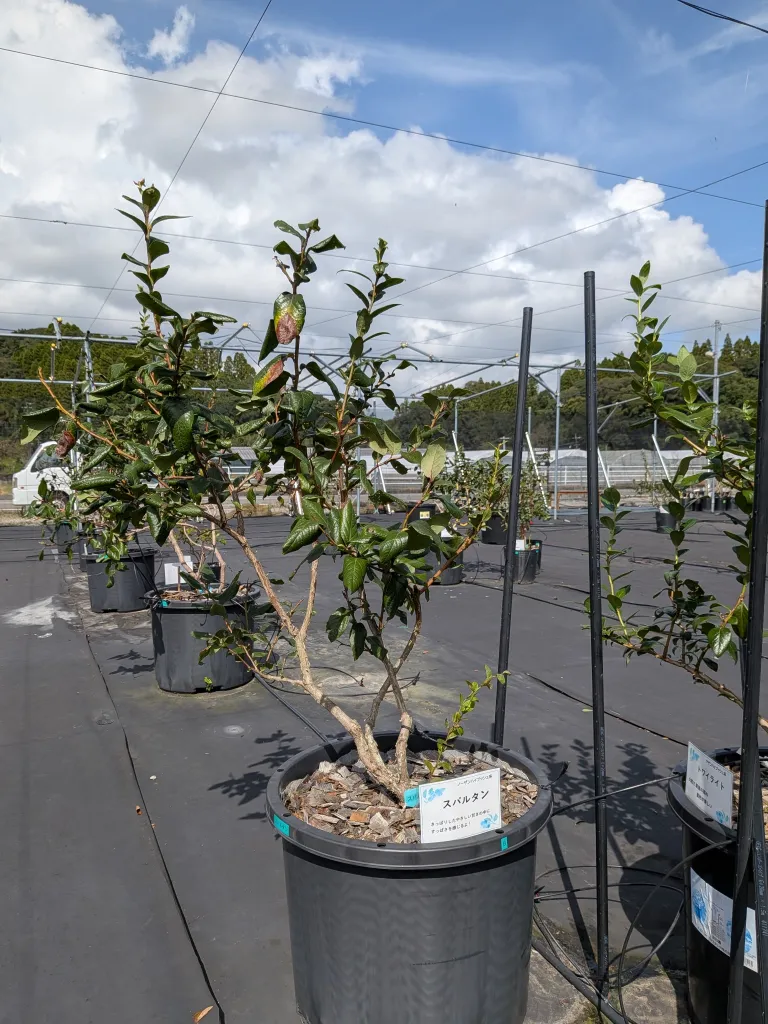
実は、私たちの農園でもスパルタンは接ぎ木苗を使用しています。
導入した42本のうち、38本がデビューできました。
38本/42本、約90%!
接ぎ木のおかげと断定することはできませんが、宮崎の養液栽培でも比較的安定して育ってくれています。
そして収穫時期も早く、当園ではパトリオットに続いて実り始める品種のひとつです。
育てるのは難しい。
でも、その先には「キング・オブ・ブルーベリー」と呼ばれるほどの美味しさがある。
だからこそ、手間をかけてでも育てたくなる。
スパルタンには、そんな魅力があります。🫐
ちなみに、このスパルタンの親であるアーリーブルー。
品種の歴史を調べているうちに、どうしても育ててみたくなり、私たちも苗を注文してしまいました!
11月下旬に届く予定です。😊
さて、次回は――
「デューク(Duke)」
パトリオット、スパルタンに続き、アーリーブルーの血を受け継ぐ早生品種です。
早生で豊産性に優れ、世界でも広く栽培されているデューク。
ところが、私たちの農園では、なかなか思うように育ってくれませんでした。
同じ祖先を持つ品種でも、こんなに違うのでしょうか?
次回は、品種改良の歴史と、宮崎での栽培の苦労をご紹介します。😊🫐
#宮崎ブルーベリーの杜
#ブルーベリー品種物語
#スパルタン
#ブルーベリー接ぎ木
#温故知新
※この記事は2026年10月時点の記録です。農園での生育や収穫期は、当園の観察に基づくものです。
Blueberry Variety Stories | Episode 10: Spartan
日本語 / Japanese ↑ · All stories in English
The “King of Blueberries”—and the challenge behind its wonderful flavor 👑
Following Patriot, we introduce another early northern highbush: Spartan. Released in America in 1977, it comes from Earliblue × US 11-93.
Patriot also has Earliblue as a parent, but the other side of the family differs. Patriot carries wild lowbush ancestry and is cold-hardy. Spartan carries US 11-93, a breeding line valued for passing on large fruit, and is known for large berries with excellent flavor.
With one parent in common, the two varieties have developed their own personalities. Following Earliblue's ancestry also takes us back to the beginning of our series:
Rubel → Stanley → Earliblue → Spartan
Blueberry breeding involves more than making delicious fruit. Cold hardiness, fruit size and ease of growing all matter. Breeders have combined different strengths in pursuit of their ideal blueberry. Yet large, delicious berries do not necessarily mean an easy plant to grow. Spartan illustrates that very clearly.
A flavor that changed a life
Blueberry Farm Okazaki, a visitor farm in Aichi Prefecture, calls Spartan the “King of Blueberries.” 👑 Its large berries combine a wonderful balance of sweetness and acidity with rich flavor.
The farm's owner says the unforgettable experience of tasting a perfectly ripe Spartan for the first time inspired him to begin growing blueberries. One blueberry can change someone's life—that is how captivating this variety can be. 😊
Why grafting can help
Spartan is also a very demanding variety. According to Blueberry Farm Okazaki's growing experience, some plants grew well for three or four years after planting and then suddenly died. Switching from plants propagated by cuttings to grafted plants brought more stable growth.
Spartan is sensitive to conditions around its roots, which can make it difficult under some growing conditions. Grafting is one way to help with that weakness.
Grafting joins a branch of the variety we want to grow to the root system of another plant, called the rootstock. In blueberries, rabbiteye varieties are sometimes used because their roots are relatively robust and adaptable. The branches still produce Spartan fruit, while another variety helps support the root system.
Our grafted Spartan plants
We use grafted Spartan plants at Miyazaki Blueberry no Mori, too. Of the 42 plants introduced, 38 reached their harvest debut—about 90%!
We cannot conclude that grafting alone caused this result, but they have grown relatively steadily in our pot-based system, which supplies water and nutrients together. They also ripen early, among the varieties that follow Patriot at our farm.
Spartan can be difficult to grow. Beyond that difficulty, though, is the flavor that earned it the title “King of Blueberries.” That is why it is a variety we want to grow, even when it asks for extra work. 🫐
Incidentally, researching Spartan's parent Earliblue made us want to grow it ourselves. Our ordered plants are expected in late November 2026! 😊
Next is Duke, another early variety with Earliblue in its ancestry. Duke is productive and widely grown around the world, but at our farm it has been far from straightforward. How can related varieties perform so differently? Next time, we share more breeding history and our growing struggles in Miyazaki. 😊🫐
These farm observations come from our original 2026 notes. “This year” means 2026 and “next year” means 2027. Growth, flavor and harvest timing describe our own growing conditions; future harvest figures are estimates.
← Episode 9: Patriot
Episode 11: Duke →
English story index & visitor guide
