
blog
お知らせ
2026/11/10 20:25 ~ なし
ブルーベリー品種物語|第18話 レカ(Reka)
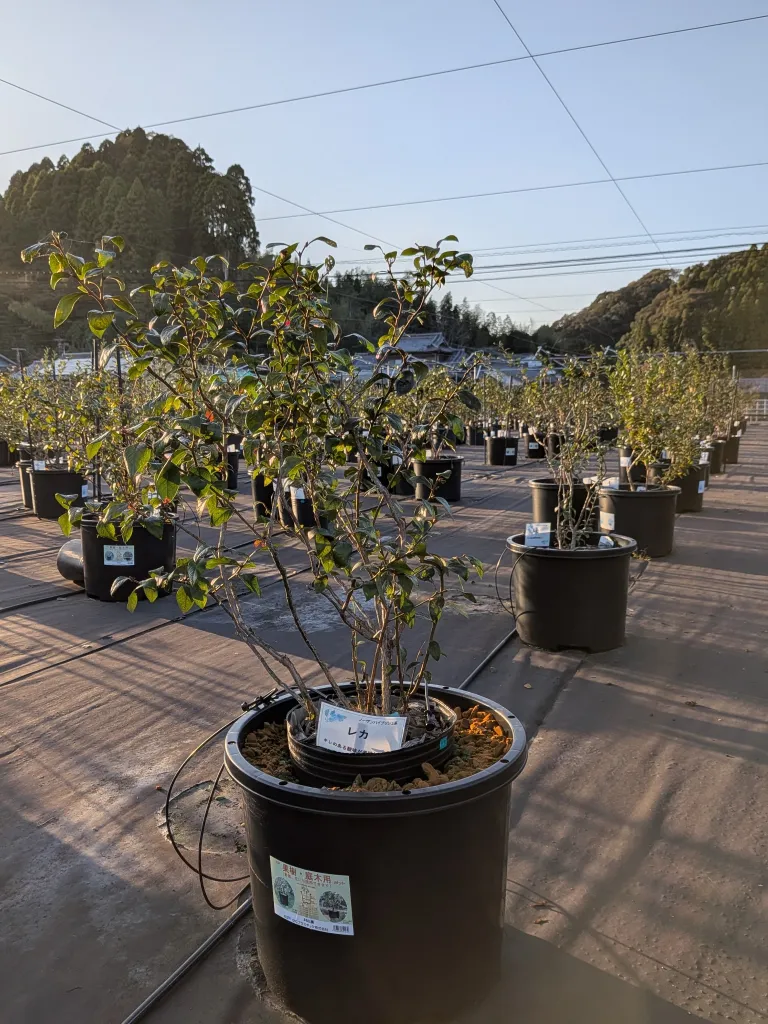
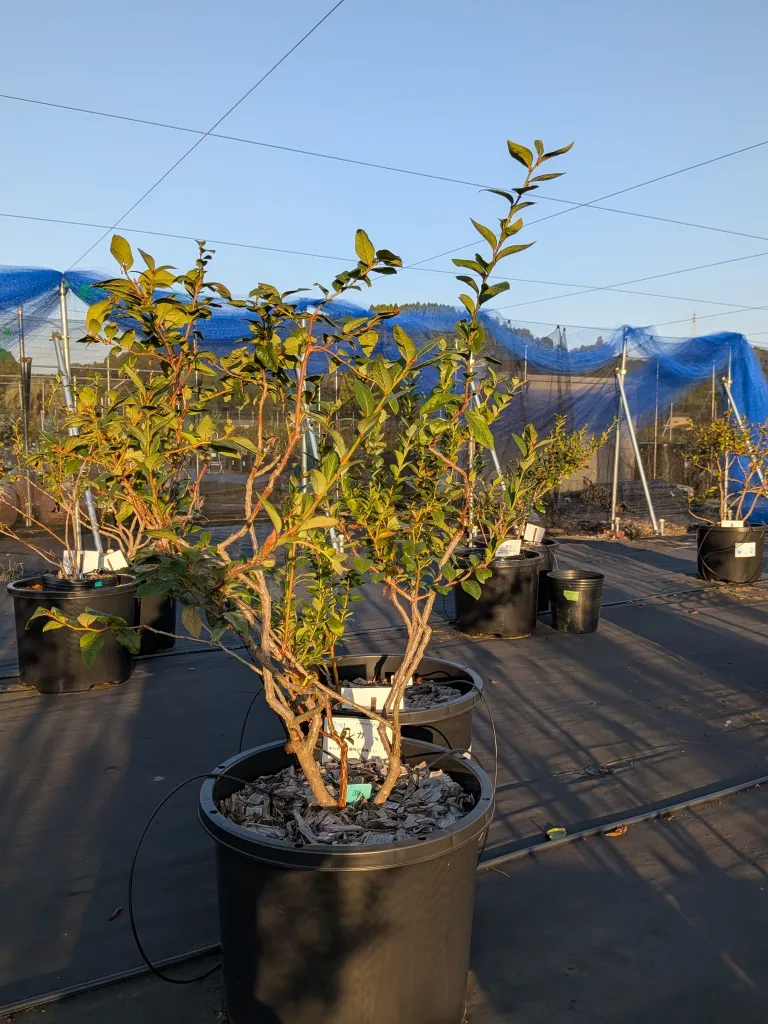
🇳🇿 ニュージーランド三兄弟の最後は、酸味が魅力の豊産性品種「レカ」!
今回は、プル、ヌイに続く三兄弟の最後、「レカ(Reka)」をご紹介します。
レカは、ニュージーランドのルアクラ農業研究センターで育成され、1987年に発表されたノーザンハイブッシュです。
三兄弟の中でも、特に樹勢が強く、収穫量が多いことで知られています。
🌱 レカの両親は?
前回までに紹介したプル、ヌイと同じ、
「E-118 × ブルークロップ(Bluecrop)」
E-118の両親は、
「アッシュワース(Ashworth)× アーリーブルー(Earliblue)」
同じ両親から生まれた三兄弟ですが、それぞれ異なる特徴を持っています。
✨ プル:香りと果実品質
✨ ヌイ:大粒の果実
✨ レカ:強い樹勢と豊産性
レカは、三兄弟の中では果実が比較的小さめですが、たくさんの実をつけるのが特徴です。
🫐 レカの魅力は、変化する酸味!
当園でレカを食べてみると、収穫初期は酸味が少し強く、最初はその酸っぱさが気になります。
ところが、収穫時期が進むにつれて、だんだん酸味が和らいできます。
それでも、酸味が完全になくなるわけではありません。
適度な酸味が残り、甘味とのバランスがよくなってくるんです。 😊
そして、レカの収穫が終盤に近づく頃には、ラビットアイ系のブルーベリーも次々と登場します。
ラビットアイ系の品種と食べ比べると、レカのほどよい酸味が、ちょうどよいアクセントになります。
同じブルーベリーでも、品種や収穫時期によって味わいが変わる。
これも、たくさんの品種を育てている当園ならではの楽しみです!
🌏 ニュージーランドの育種家たちの挑戦
1969年、ニュージーランドのルアクラ研究センターでは、アメリカから導入したブルーベリーの交配種子をもとに、品種改良が進められました。
目指したのは、ニュージーランドの気候に適し、品質がよく、安定して収穫できる品種を生み出すこと。
1,000本以上の実生から有望なものを選び、長い年月をかけて育成されたのが、プル・ヌイ・レカでした。
その中でもレカは、収穫量の多さと栽培適応性で高く評価される品種になったのです。
🌿 では、宮崎ブルーベリーの杜ではどうでしょう?
当園ではレカを59本導入しました。
そして、収穫デビューできたのは……
59本中51本! デビュー率は約86%です! 🎉
三兄弟のデビュー率を比較すると、
🇳🇿 プル:8本/8本(100%)
🇳🇿 ヌイ:14本/25本(56%)
🇳🇿 レカ:51本/59本(約86%)
同じ両親から生まれたのに、こんなに違う結果になりました。
🌱 ところが、レカにも悩みがあります。
実は当園では、レカはコガネムシ幼虫による根の食害が比較的多く見られた品種なんです。😥
ブルーベリーは根が傷むと、水分や養分を十分に吸収できなくなり、生育が悪くなってしまいます。
レカは一般に樹勢が強く、育てやすい品種とされていますが、だからといって害虫の被害を受けないわけではありません。
それでも、当園では51本が収穫デビューできました。
食害の多さと収穫デビュー率の高さが両立しているのは、興味深いところです。
ただし、これだけでレカが食害に強い、あるいは回復力が高いと断定することはできません。
これからも根の状態や樹の成長を観察していきたいと思います。
🫐 三兄弟を育てて分かったこと。
香りのプル。
大粒のヌイ。
豊産性のレカ。
同じ両親から生まれた三兄弟でも、実の特徴も樹の育ち方も違います。
当園ではプルが全員デビューした一方、ヌイはなかなか立派な樹になってくれません。
そしてレカは、コガネムシの被害に悩まされながらも、多くの樹が収穫デビューしました。
2027年、宮崎ブルーベリーの杜では70品種のブルーベリーを栽培します。
ぜひ、親子や兄弟、親戚の品種を食べ比べながら、新しい発見を楽しんでいただきたいと思います!😊
🌏 そして、次回からは新しい物語へ!
これまで18話にわたり、主にノーザンハイブッシュの品種と、その親子関係をご紹介してきました。
次回からは、少し視点を変えてみたいと思います。
「寒い地域で育つブルーベリーを、暖かい地域でも育てられるようにしたい!」
そんな育種家たちの挑戦です。
その鍵となったのは、野生のブルーベリーが持っていた遺伝子でした。
次回、第19話は「シャープブルー(Sharpblue)」。
サザンハイブッシュ誕生の歴史と、育種家たちの工夫をご紹介します。
お楽しみに!😊🫐
#宮崎ブルーベリーの杜 #ブルーベリー品種物語 #レカ #ニュージーランド三兄弟 #温故知新
Blueberry Variety Stories | Episode 18: Reka
日本語 / Japanese ↑ · All stories in English
🇳🇿 Meet Reka, the last of our New Zealand trio: a productive blueberry with a refreshing tartness.
Following Puru and Nui, we introduce Reka, a northern highbush blueberry developed at New Zealand’s Ruakura Agricultural Research Centre and released in 1987. Among the three, Reka is particularly well known for its vigorous growth and high yields.
Who are Reka’s parents?
Like Puru and Nui, Reka comes from E-118 × Bluecrop. E-118 itself comes from Ashworth × Earliblue. The three share the same parents, yet each has a different strength: Puru for aroma and fruit quality, Nui for size, and Reka for vigor and productivity. Reka’s berries are relatively small compared with its siblings, but the bushes produce plenty of them.
A tartness that changes through the harvest
At our farm, Reka tastes quite tart at the start of its harvest. As the season progresses, the tartness softens and comes into balance with the sweetness. It never disappears entirely, which is part of what makes Reka so distinctive.
As Reka’s harvest winds down, rabbiteye varieties start to ripen. Taste them side by side and you may find that Reka’s gentle tang makes a refreshing contrast. Flavor changes with both the variety and the picking date—one of the pleasures of growing so many blueberries in one place.
The work behind New Zealand’s three siblings
In 1969, breeders at Ruakura began working with seeds from blueberry crosses brought from the United States. They wanted good fruit quality and dependable yields in New Zealand’s climate. After selecting promising plants from more than 1,000 seedlings and evaluating them over many years, they developed Puru, Nui and Reka. Reka stood out for its productivity and adaptability.
How Reka has grown in Miyazaki
Of the 59 Reka bushes we introduced, 51 reached their first harvest—about 86%. By comparison, 8 of 8 Puru bushes reached harvest (100%), as did 14 of 25 Nui bushes (56%). It is striking how differently plants from the same parents have grown at our farm.
The challenge below ground
We found relatively frequent root damage from chafer beetle larvae in Reka. Damaged roots take up less water and nutrients, slowing growth. Although Reka is generally considered vigorous and easy to grow, it can still suffer from pests. Many of our bushes reached harvest despite that damage, but these observations alone cannot tell us whether Reka resists the larvae or recovers especially well. We’ll keep watching how its roots and branches develop.
What we learned from growing the three together
Aromatic Puru, large-fruited Nui and productive Reka each have their own character. All our Puru bushes reached harvest, Nui has been slow to grow, and many Reka bushes reached harvest despite root damage. In 2027 we’ll grow 70 blueberry varieties at Miyazaki Blueberry no Mori. We hope you’ll have fun tasting related varieties and finding out how different they can be.
Next: a new chapter
For 18 episodes we have mostly followed the family trees of northern highbush blueberries. Next, we look at a different challenge: how could breeders grow blueberries from cold climates in warmer places? Part of the answer came from wild blueberries. In Episode 19 we’ll introduce Sharpblue and the story behind southern highbush blueberries. 🫐
